Your year in Delaware fire and smoke risk
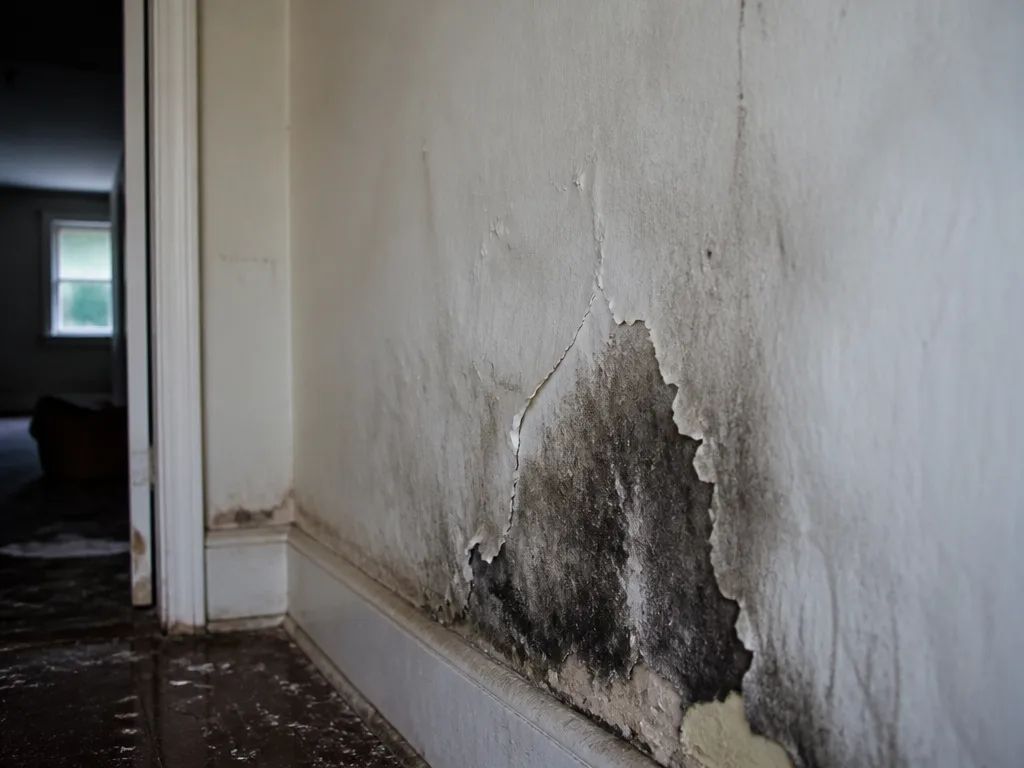
Delaware experiences varied seasons, and that matters for fire and smoke risk. Spring rains can drive moisture into walls, increasing odor retention after a fire. Summer heat can intensify odor diffusion through porous surfaces. Fall and winter bring heating equipment into heavier use, which raises the chance of a flare up or secondary smoke event. A statewide approach helps you prepare for these shifts wherever you are in Delaware.
Fire & smoke damage specialists know how climate interacts with home construction across the state. We consider material types, ventilation patterns, and typical construction practices you’ll find in Delaware houses to tailor a plan that addresses real-world conditions.
Preseason prep and maintenance tips
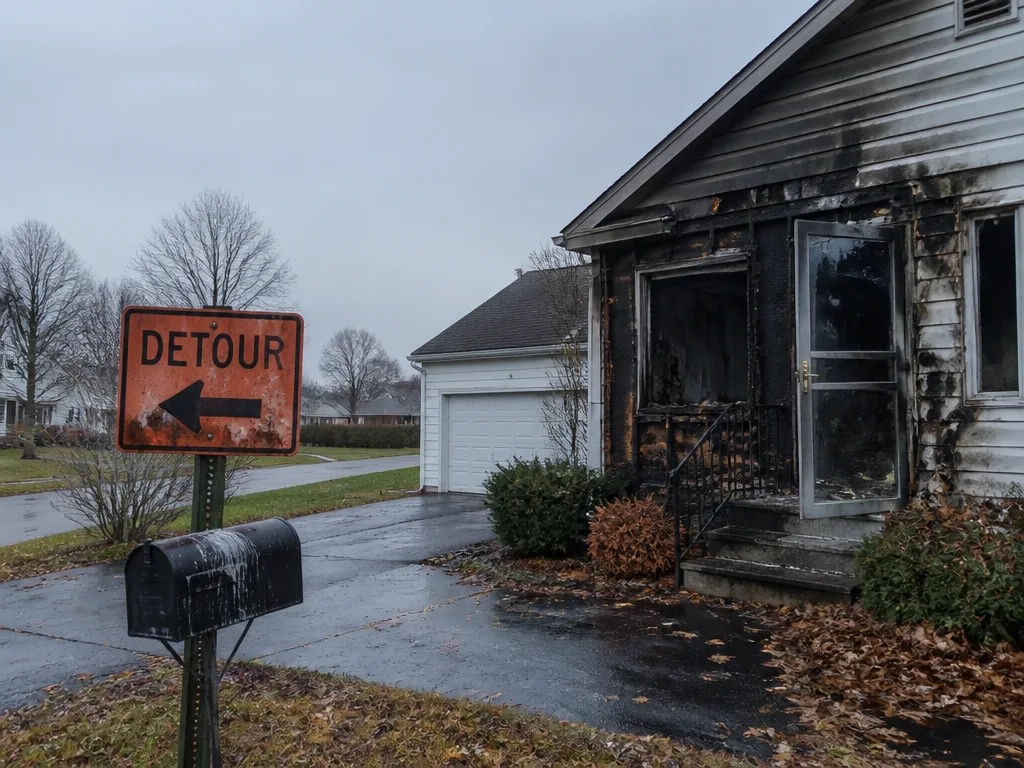
Regular inspections after a big storm or a fire event help catch issues before they escalate. In Delaware, a seasonal check of heat sources, seals around windows, and attic ventilation can reduce risk. Keep a simple log of any unusual odors or staining and note when they appear in relation to weather changes.
Our crews in every Delaware metro stand ready to assess any concerns and outline the steps needed to restore safety and comfort. A proactive approach saves time and money in the long run.
What to do after a smoke event in different seasons
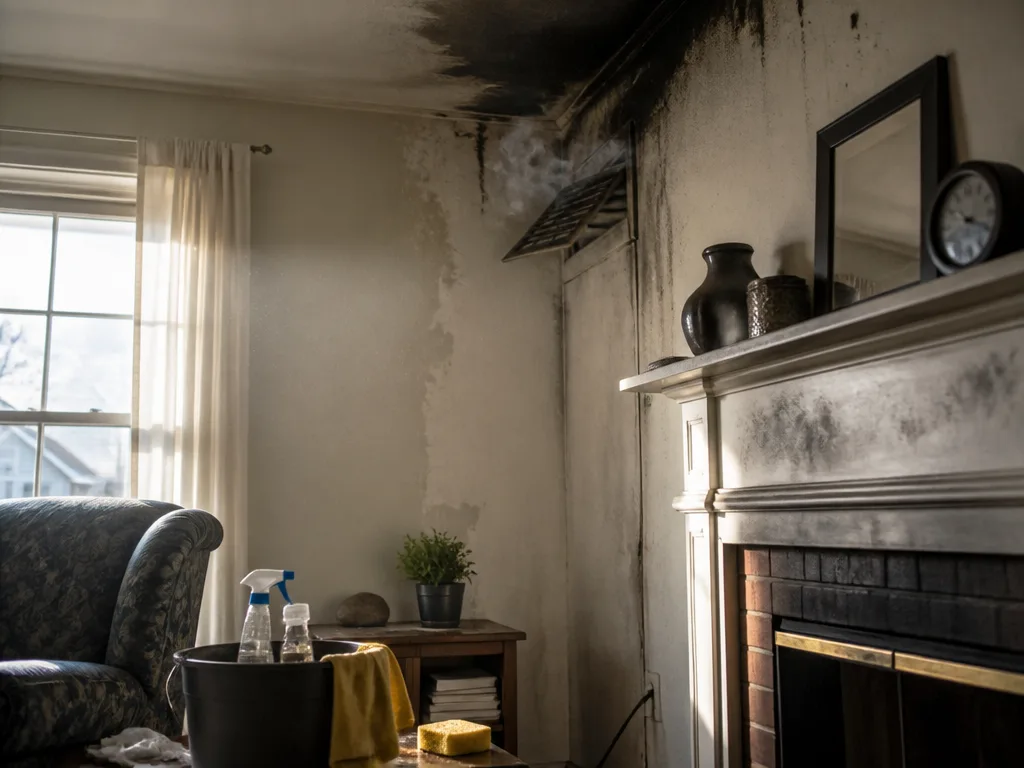
After a smoke event, ventilate and limit exposure. In humid months, use dehumidifiers and air movers to speed up drying and reduce odor carry. In dry months, focus on sealing and deodorizing to prevent residues from becoming embedded in surfaces. A professional evaluation will identify where heat and smoke have left residues that aren’t visible on first glance.
Delaware Fire Reconstruction offers practical guidance statewide. If you’ve recently experienced a fire or smoke event, contact our fire & smoke damage specialists for an no-pressure consultation to map out the best course of action across Delaware.